
Employee theft prevention requires more than watching the register. Retailers need practical controls that address cash, merchandise, time, and other forms of internal theft. The right combination can limit opportunities for theft while making discrepancies easier to identify.
Knowing how to prevent employee theft starts with recognizing where losses can occur. Effective workplace theft prevention combines technology, documented procedures, accurate records, and internal controls. These strategies show retailers how to prevent theft in the workplace while maintaining accountability across daily operations.
How to Prevent Employee Theft in Retail
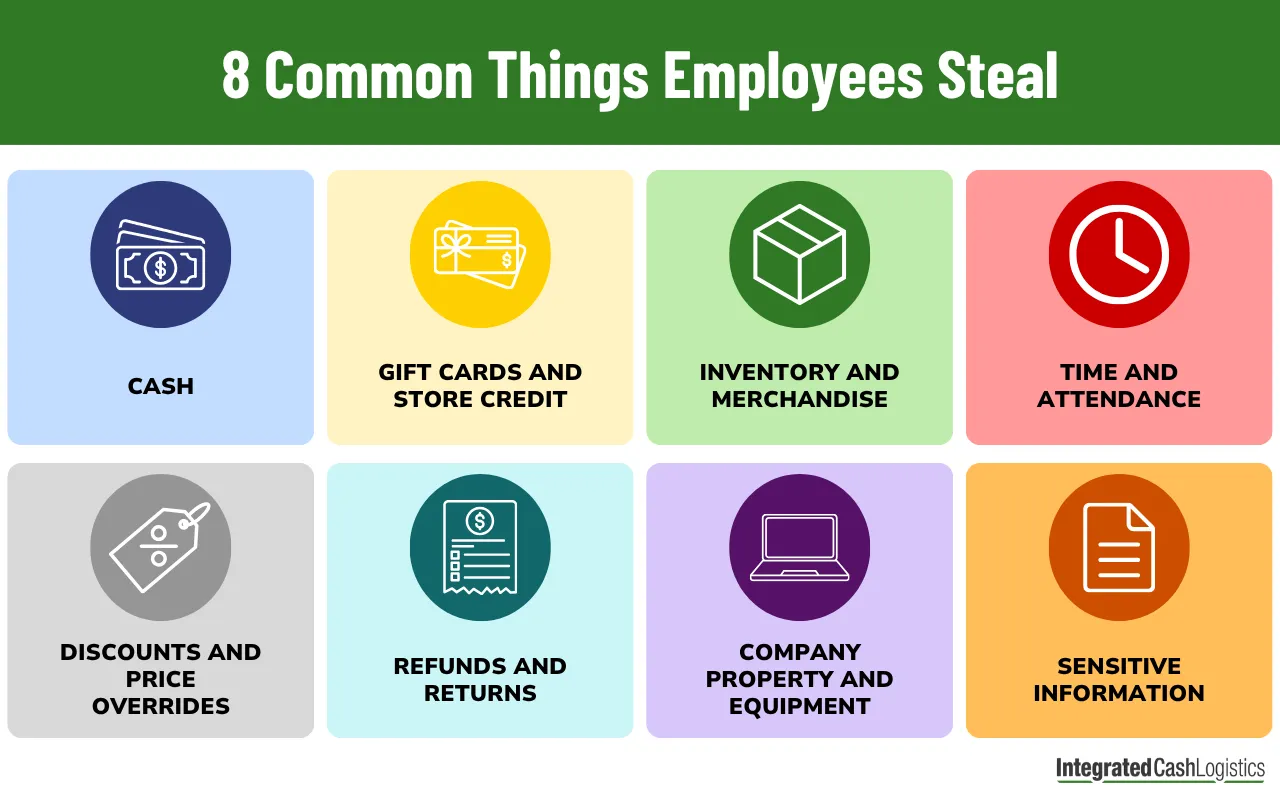
Theft at work can involve cash, merchandise, time, or sensitive information. Retailers should also avoid assuming every loss points to stealing in the workplace, since inventory errors and other discrepancies can have different causes. Preventing theft in the workplace works best when businesses combine controls that address each area of risk.
For retailers asking how to stop employee theft, the following five strategies provide multiple layers of protection.
Reduce Cash Handling Risks
Frequent drawer access, manual counting, deposit preparation, and bank runs give cash more opportunities to change hands. Retailers can reduce that exposure with clear cash procedures, automated reporting, and smart safes. Our CashSimple® smart safes provide real-time reporting and reduce cash-handling liability once cash enters the safe.
These risks are not just theoretical. Before implementing CashSimple®, a 1,000+ location restaurant group identified human error and theft among the risks created by its traditional cash-handling processes. After implementing CashSimple®, the group reduced manual cash-handling inefficiencies, saved labor hours, and improved security and financial oversight across its locations.
Monitor Inventory for Product Theft
Accurate inventory records help retailers investigate possible employee theft in the workplace without treating every shortage as proof of misconduct. Compare physical counts with point-of-sale transactions, returns, transfers, and other records, then investigate unexplained patterns.
Consistent procedures can reveal ways employees steal from employers undetected while helping managers distinguish potential theft at the workplace from administrative or inventory errors. Retailers can then incorporate these checks into broader retail loss prevention practices.
Track Time and Attendance
Time theft can include inaccurate clock-ins, extended breaks, unauthorized overtime, or employees clocking in for coworkers. Reliable timekeeping and manager reviews make these discrepancies easier to spot. The U.S. Department of Labor’s recordkeeping guidance requires covered employers to maintain accurate records of hours worked for nonexempt employees, although it does not mandate one specific timekeeping method.
Set Clear Theft Policies
A comprehensive employee theft policy should define prohibited conduct, cash and inventory procedures, reporting channels, investigation steps, and potential disciplinary consequences. Communicate these expectations during onboarding and reinforce them through training.
For businesses considering how to prevent employees from stealing, consistent procedures establish accountability before an incident occurs and provide a clearer framework for how to handle theft in the workplace when concerns arise.
Strengthen Internal Controls
Employee theft can be prevented by reducing opportunities for one person to control an entire transaction. Separate duties, restrict cash and refund permissions, require approvals, reconcile records, and review exception reports. CashSimple® can also support automated cash reconciliation and real-time reporting, giving teams greater visibility across locations and less time handling cash.
How to Deal with Employee Theft
When you suspect theft in the workplace, document discrepancies and preserve relevant records before making accusations. Follow established investigation and disciplinary procedures, maintain appropriate confidentiality, and consult HR or legal professionals when necessary.
You should also learn from confirmed incidents. Review cash procedures, permissions, reporting, and other controls to identify gaps. The best way to reduce employee theft is through layered safeguards that make theft harder to commit and discrepancies easier to investigate.
See How ICL’s CashSimple® Cash Management Solution Makes Your Operation More Secure
ICL designed CashSimple® to give businesses greater control over their cash without provisional credit. When employees deposit cash into ICL’s smart safe, ICL purchases it, taking responsibility for the cash and reducing the retailer’s liability. The online portal provides real-time deposit information and records safe access, helping businesses strengthen cash control across locations.
No single tool answers every question about how to prevent employee theft in retail. However, combining clear policies, accurate records, internal controls, and automated cash management can reduce opportunities for employee theft.
Schedule a demo to see how ICL’s CashSimple® cash management solution can improve cash security and control.

